Coldroom installation ,Evaporator installation and Annual maintenance
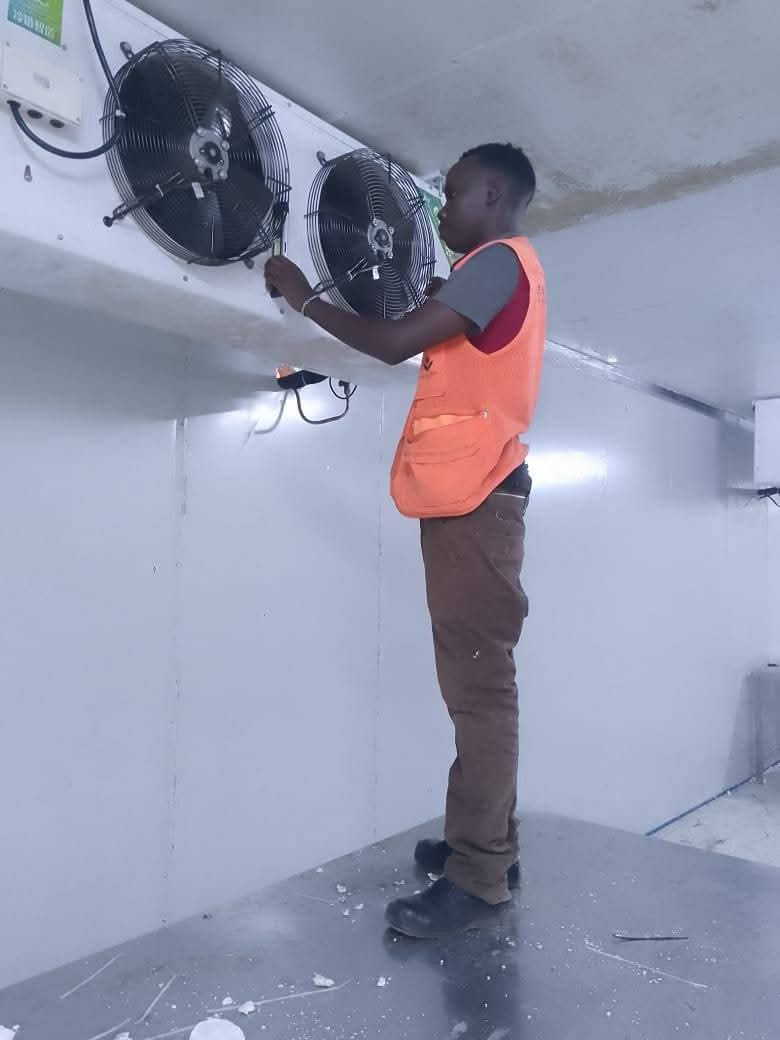
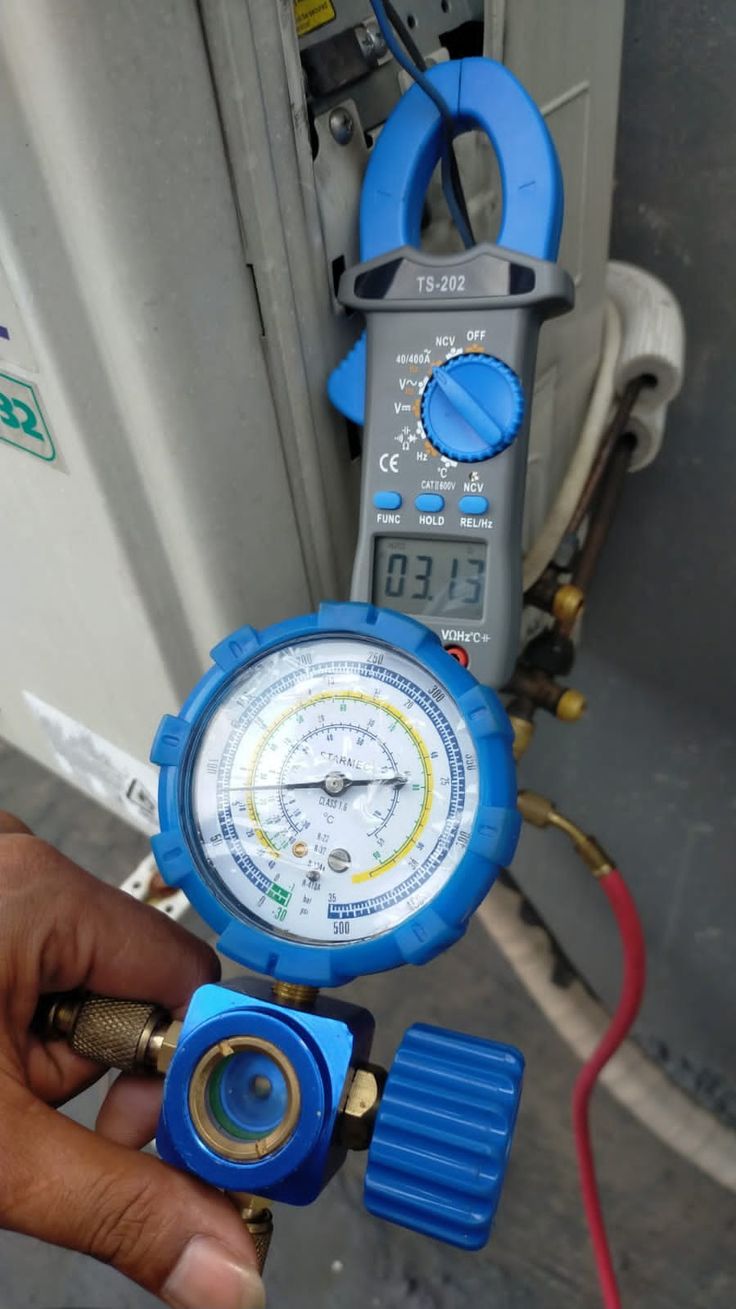
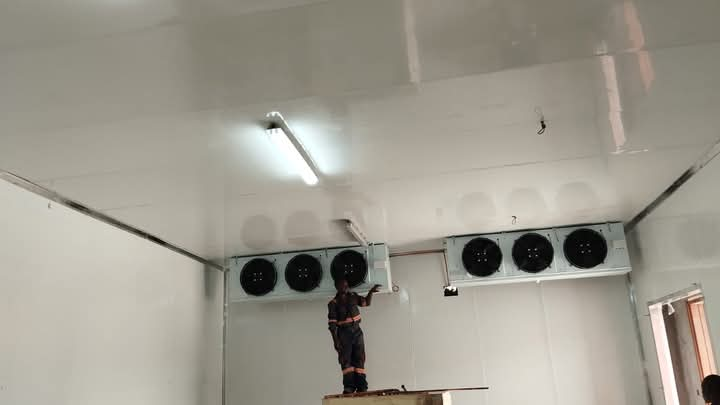
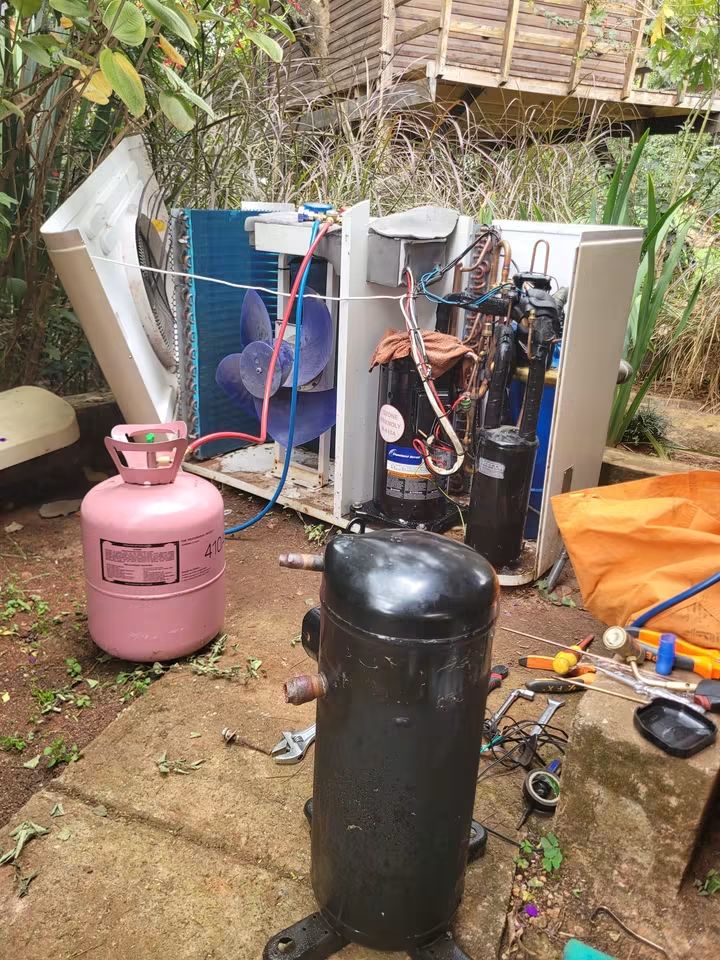
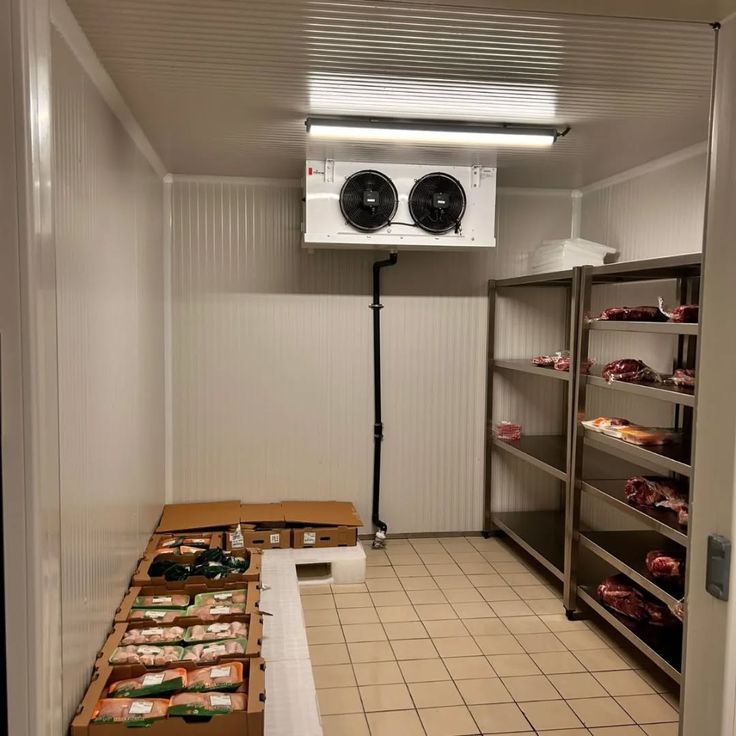
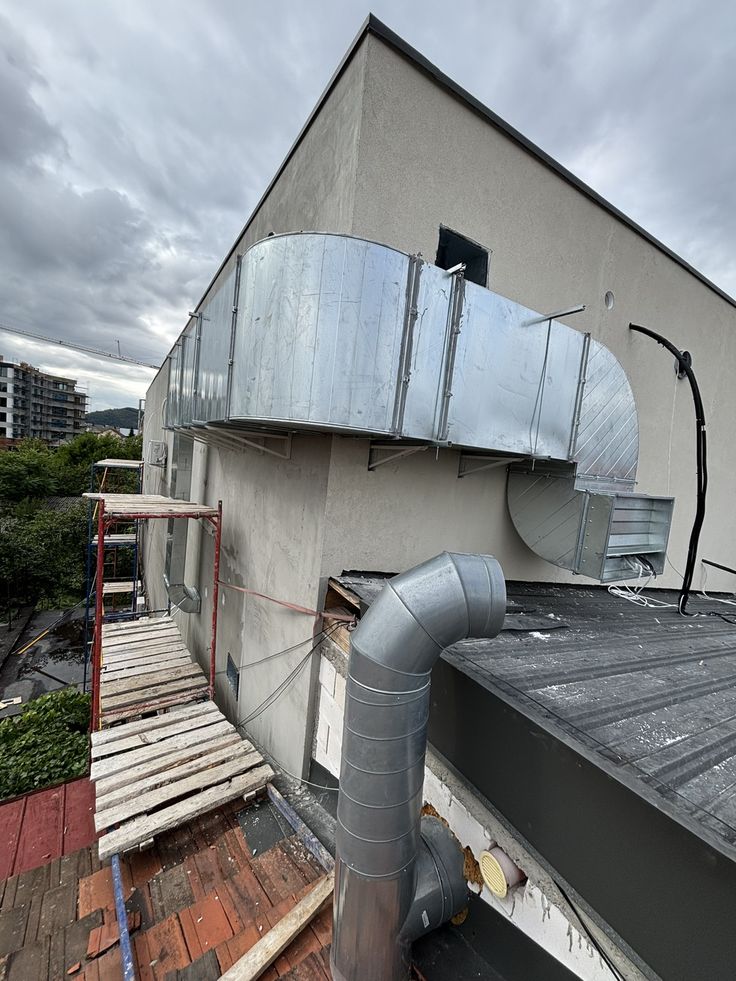
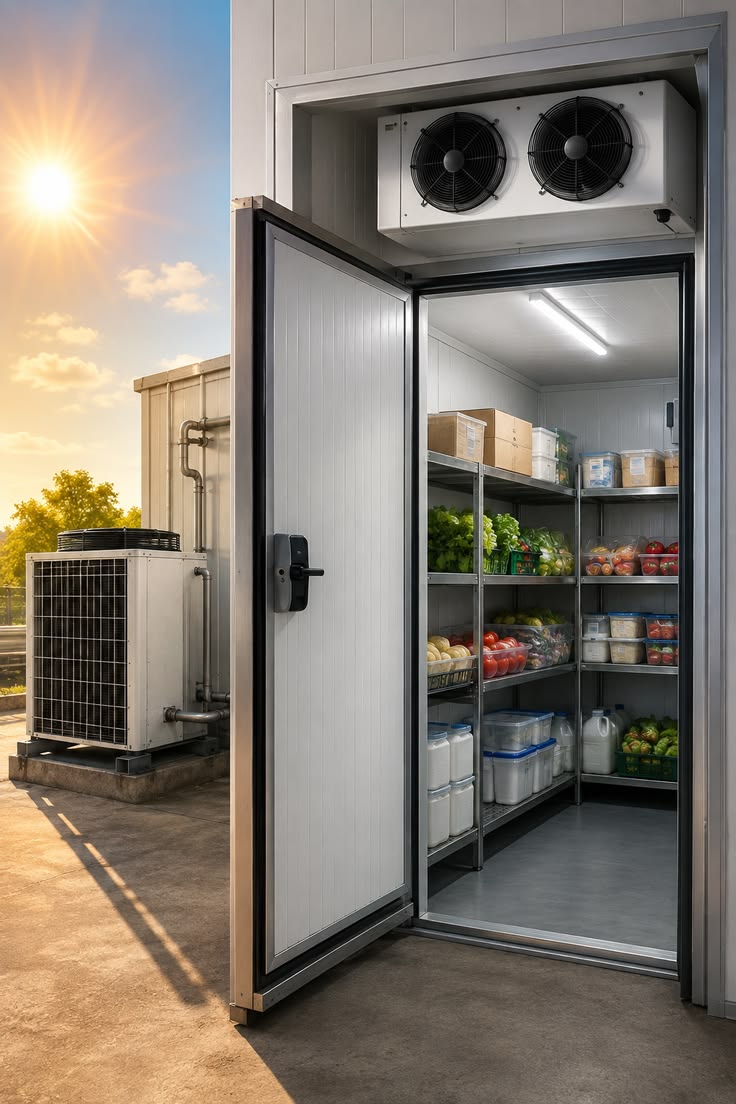
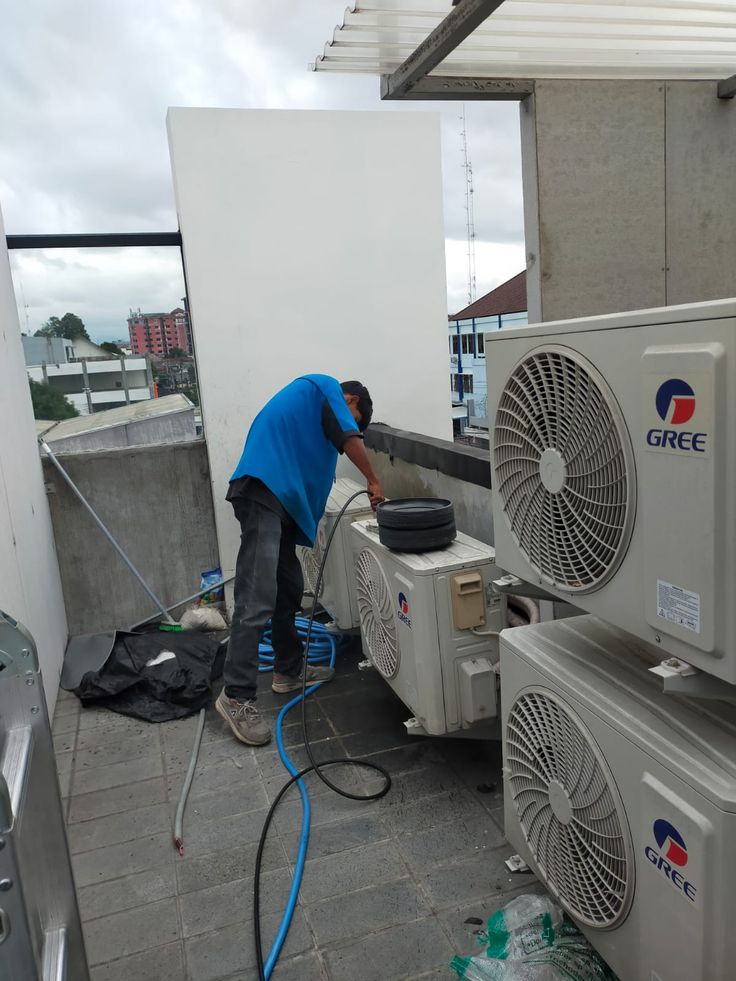
cold room installation is the professional engineering and assembly of large-scale, walk-in refrigeration units designed for businesses like restaurants, hotels, supermarkets, pharmaceutical companies, and food distribution hubs.standard residential or light commercial appliances, these systems are custom-built to handle massive inventory volumes, frequent door openings, and strict regulatory compliance guidelines for food and chemical safety. Key Components of a Commercial System • Heavy-Duty Insulated Panels: Modular polyurethane (PUF) or polyisocyanurate (PIR) panels, typically 4 to 6 inches thick, designed to lock tightly together via built-in cam-locks to stop all thermal transfer. • Industrial Refrigeration Plant: Split systems consisting of a high-capacity outdoor condensing unit (compressor and condenser) and heavy-duty indoor evaporators designed for high airflow. • Advanced Automation & Controls: Digital thermostats, automated electric defrost cycles, remote temperature logging, and alarm systems that trigger alerts if the internal climate fluctuates. • Reinforced Flooring: Heavily insulated concrete floors or heavy-duty overlay plates capable of handling hand jacks, heavy rolling racks, or forklift traffic. Coldroom installation is the specialized engineering process of building an airtight, thermally insulated space designed to maintain specific temperatures for storing perishable goods. These rooms are critical for industries like food and beverage, pharmaceuticals, floral, and chemical processing to preserve product quality and extend shelf life. Core Components of a Coldroom A standard coldroom installation relies on several integrated systems working together: • Insulated Panels: High-density polyurethane (PU) or polyisocyanurate (PIR) modular panels form the walls, ceiling, and floor. They trap cold air inside and block external heat. • Refrigeration Unit: The mechanical heart of the room, consisting of an internal evaporator (which removes heat from the room) and an external condenser (which expels the heat outside). • Coldroom Doors: Heavy-duty, insulated sliding or hinged doors fitted with magnetic gaskets and heater wires (for freezers) to prevent frost buildup and air leaks. • Control Systems: Digital thermostats and data loggers that monitor, regulate, and record internal temperatures and defrost cycles automatically. The Installation Process Building a functional coldroom involves distinct mechanical and structural phases: • Site Preparation: Technicians ensure the ground is perfectly level. For walk-in freezers, underfloor ventilation or heating mats are installed to prevent the ground below from freezing and buckling (frost heave). • Panel Assembly: The tongue-and-groove insulated panels are locked together using integrated cam-lock mechanisms. Silicon sealant is applied to every joint to guarantee an airtight seal. • Refrigeration Piping & Wiring: Copper lines are run to connect the indoor evaporator and outdoor condenser. The system is vacuum-tested for leaks before being charged with refrigerant. • Finishing & Testing: Pressure relief vents are installed (crucial for freezers to prevent wall collapse during temperature drops). Finally, the system undergoes a pulldown test to ensure it reaches and holds the target temperature efficiently. 💠The main advantage of a coldroom chiller room is its ability to precisely maintain massive volumes of perishable goods at optimal, uniform temperatures, significantly extending product shelf life while preventing spoilage. Unlike standard commercial refrigerators, a walk-in chiller room offers several distinct operational advantages: • Superior Temperature Stability: Equipped with high-density polyurethane insulation panels and heavy-duty industrial evaporators, these rooms eliminate "hot spots." They maintain a steady temperature (typically between 0°C and 5°C) even with frequent door openings. • Mass Storage Efficiency: They maximize vertical and floor space, allowing businesses to store bulk inventory on heavy-duty pallet racks or shelving units. This bulk storage capability drastically lowers the cost-per-item storage fee. • Enhanced Food Safety & Compliance: Precise digital monitoring systems ensure that products stay within strict regulatory temperature zones, creating an easily auditable data trail for health and safety compliance. • Improved Inventory Access: The walk-in design allows staff to easily organize, stock, and retrieve products. This minimizes stock rotation errors (FIFO) and reduces accidental product damage. The main purpose of a walk-in freezer room is to rapidly freeze and store large volumes of perishable goods at sub-zero temperatures (typically between -18°C and -25°C or lower) to stop biological decay and preserve products for long periods. While a chiller room simply slows down spoilage, a walk-in freezer completely halts the growth of bacteria, mold, and yeast by turning the moisture inside the products into ice. The main purpose of coldroom panels and insulation is to create a highly efficient thermal barrier that blocks external heat from entering the refrigerated space and prevents cold air from escaping. Without high-quality insulation, a refrigeration unit would have to run continuously to combat ambient heat, leading to rapid mechanical failure, massive energy bills, and ruined inventory. Coldroom panels achieve this through several critical functions: • Drastic Energy Savings: By blocking heat transfer, the insulation allows the refrigeration system to cycle on and off efficiently, keeping energy consumption and utility costs as low as possible. • Precise Temperature Maintenance: The panels eliminate thermal bridging (heat leaking through joints), ensuring a perfectly uniform internal climate without dangerous temperature fluctuations. • Structural Integrity: Polyurethane (PU) or polyisocyanurate (PIR) panels double as the actual structural walls and ceiling of the room. They are lightweight yet strong enough to support their own weight and withstand internal air pressure changes. • Moisture and Vapor Control: Coldroom panels feature integrated vapor barriers (metal skins) that prevent ambient humidity from entering the room. In freezers, if moisture penetrates the insulation, it turns to ice, destroys the panels, and causes severe frost buildup on the evaporator coils. Implementing a preventive maintenance program for coldrooms is the most effective way to protect a business from catastrophic inventory loss, massive energy bills, and premature equipment failure. Because coldrooms run continuously, scheduled servicing ensures minor issues are resolved before turning into emergency breakdown. 🔹Prevention of Catastrophic Stock Loss: A sudden coldroom failure can ruin thousands of shillings worth of food, floral items, or medical assets within hours. Regular checks keep temperatures stable and protect your inventory. 🔹Lower Energy Bills: Dirty condenser coils, low refrigerant levels, and worn door gaskets force the compressor to work twice as hard to maintain temperature. Cleaning and calibrating these components ensures maximum cooling efficiency and lower electricity consumption. 🔹Regulatory Compliance & Food Safety: For businesses governed by public health rules, preventive maintenance creates an auditable history of temperature stability and cleanliness, helping you pass health inspections and protect consumer safety. Applications:- 🔹Commercial Kitchens & Restaurants: Hotels, resorts, and large restaurants rely on walk-in chillers and freezers to store bulk fresh produce, dairy, poultry, and prepared ingredients safely. 🔹• Morgues & Mortuaries: Hospitals and funeral homes use specialized low-temperature mortuary coldrooms for dignified, hygienic body preservation. 🔹• Brewing & Beverage Aging: Large-scale breweries and wineries use climate-controlled coldrooms to ferment beer, age wines, or store kegs at ideal serving temperatures before distribution. 🔹• Morgues & Mortuaries: Hospitals and funeral homes use specialized low-temperature mortuary coldrooms for dignified, hygienic body preservation.
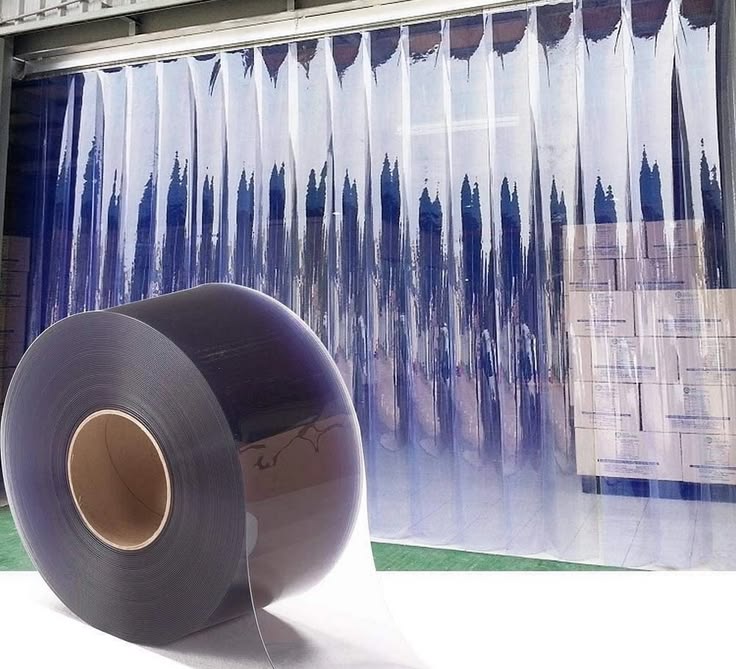
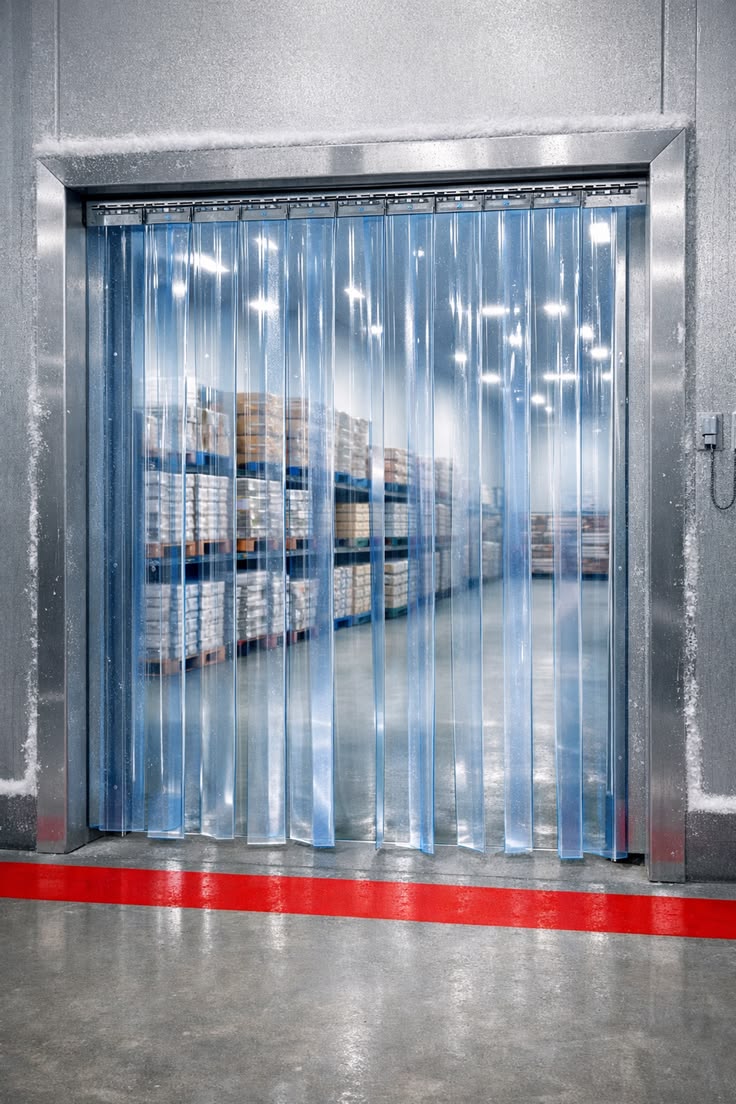
💠coldroom storage facility is an insulated, temperature-controlled architectural space designed to maintain specific, artificially generated thermal and atmospheric conditions. Its primary function is to preserve perishable goods, extend their shelf life, prevent the growth of spoilage-inducing microorganisms (like bacteria and fungi), and maintain the physical and chemical stability of temperature-sensitive items.Coldrooms scale from small commercial walk-in units used in restaurants and supermarkets to massive industrial warehouse complexes outfitted with pallet racking system.Commercial coldrooms for perishable foods are essential, temperature-regulated facilities designed to halt food spoilage, extend shelf life, and maintain strict inventory safety from farm to fork. They serve as the critical backbone for supermarkets, restaurants, food distribution centers, and agricultural hubs. By precisely controlling environmental factors, these systems preserve the texture, nutritional value, and safety of bulk food supplies. Commercial coldrooms offer significant operational, financial, and safety advantages over standard commercial refrigerators and freezers. They provide the infrastructure necessary for businesses to scale operations, protect inventory investments, and comply with strict food safety laws. 💠The main purpose of a freezer in a cold room facility is long-term food preservation and safety by completely halting the growth and reproduction of bacteria, microorganisms, and spoilage enzymes. While a standard chiller cold room simply slows down spoilage at temperatures above freezing (typically 1°C to 5°C), a freezer room drops the climate to deep sub-zero temperatures—usually between -18°C and -25°C—to lock perishable goods in a frozen state. Key features:- 🔸Structural Insulation & Sealing:- • Airtight Cold Room Doors: Heavy-duty hinged or sliding doors equipped with tight rubber gaskets and sweep seals. They prevent warm, moist air from sneaking in and creating frost. 🔸Climate & Evaporator Systems:- • Air Circulation Evaporators: Powerful internal fans that continuously distribute cold air to eliminate "hot spots" in corners, ensuring the temperature remains uniform throughout the entire space. 🔸Safety, Hygiene, & Operations • Food-Grade Sanitary Surfaces: Interior walls and ceilings are lined with easy-to-clean, non-toxic materials like stainless steel or anti-bacterial coated galvanized steel to prevent mold and bacteria buildup. • Internal Safety Release (Emergency Door Push): A critical safety mechanism that allows anyone accidentally locked inside to open the door manually from the inside, even if it is padlocked externally. • Strip Curtains: PVC plastic curtains hung right behind the main door. They act as a secondary barrier, preventing massive cold air loss when workers open the door to load or unload goods. Applications:- 🔹Commercial Food Industry & Agriculture Food products represent the highest volume of goods moving through the cold chain. Cold rooms prevent pathogenic bacterial growth and slow down natural cellular aging (respiration) in harvested plants. 🔹 Medical, Pharmaceutical, & Life Sciences Biomedical products are highly temperature-sensitive. Even a slight deviation out of the safe zone can ruin chemical compositions or deactivate vital proteins. 🔹 Floral, Horticulture, & Luxury Commodities Cold rooms are not just for ingestion; they are heavily utilized to preserve aesthetics, aroma, and chemical value. 🔹Hospitality & Large-Scale Food Service. Unique Cooling experts covers Coldroom installation Coldroom evaporator installation Coldroom repair Walk in freezer installation Coldroom compressors replacement Coldroom spare installation Call unique Cooling experts for Coldroom design and installation.